The Approach
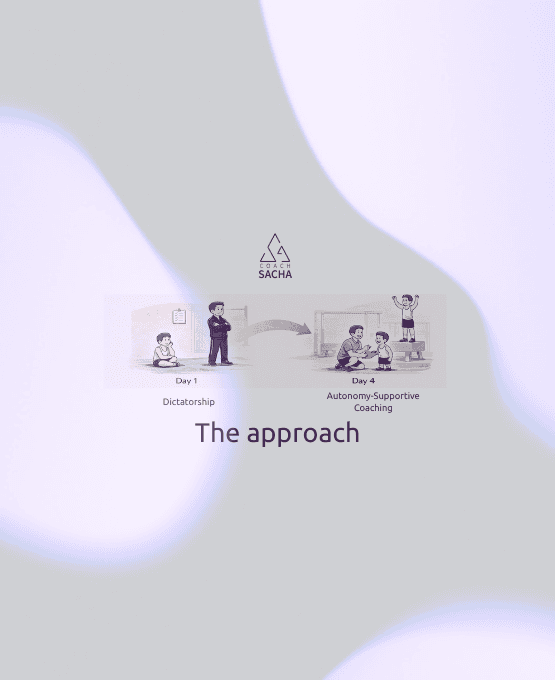
Same kid, two coaches, four days apart—how one shift in attention rewired the whole room.
Date
Jan 16, 2026
Service
BP | Build Potential
Overview
I helped a coach last month, her group of 7/8-year-olds, the age where attention ricochets off the walls. Enter E: classic build, hyper bounce, eyes always halfway out the window. First sessions he spends more time sitting out than swinging on bars; rules slide off him like water off glass. Coaches label him “the difficult one” and move on.
Cue me stepping in. Same kid, now under my watch. Day one: Gods, I have enough trouble getting the others to follow my rhythm, now a setback? Harsh thought, but real. I carve out a sliver of extra time, focus on getting him up to speed. Neither of us speaks the other’s language fluently, but body language is universal (and I’m damn good at it). We move through the session, him bouncing, me redirecting, both of us sweating the small stuff.
Day two: something shifts. E starts responding when I talk, even asks questions. Still jumps around, still spaces out, but now there’s a thread of connection. He shows me skills he can perform to a higher level proof that the basics need work, but the potential is there. He just needs to learn to do the “boring” stuff to get better scores and progress more.
So I wonder: why do kids with high potential get stuck behind? Where does personality come into play? And to coaches or clubs: are you building an environment where the kid’s personality helps them progress, or is the environment fixed, fit or don’t?
Training Gallery
Related Trainings