The Knowledge Is There. The Gyms Look the Same.
The Knowledge Is There. The Gyms Look the Same.
The Knowledge Is There. The Gyms Look the Same.

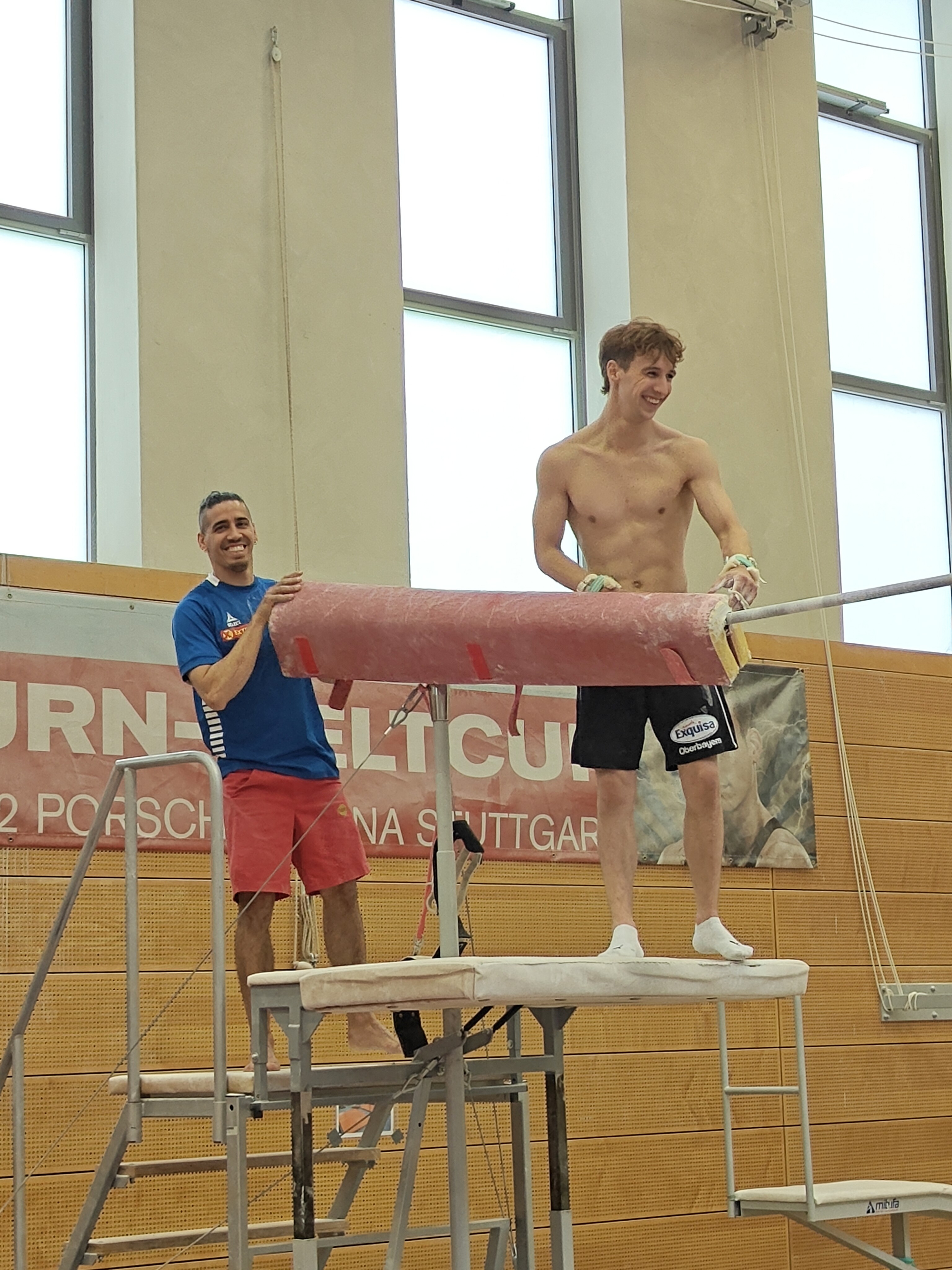
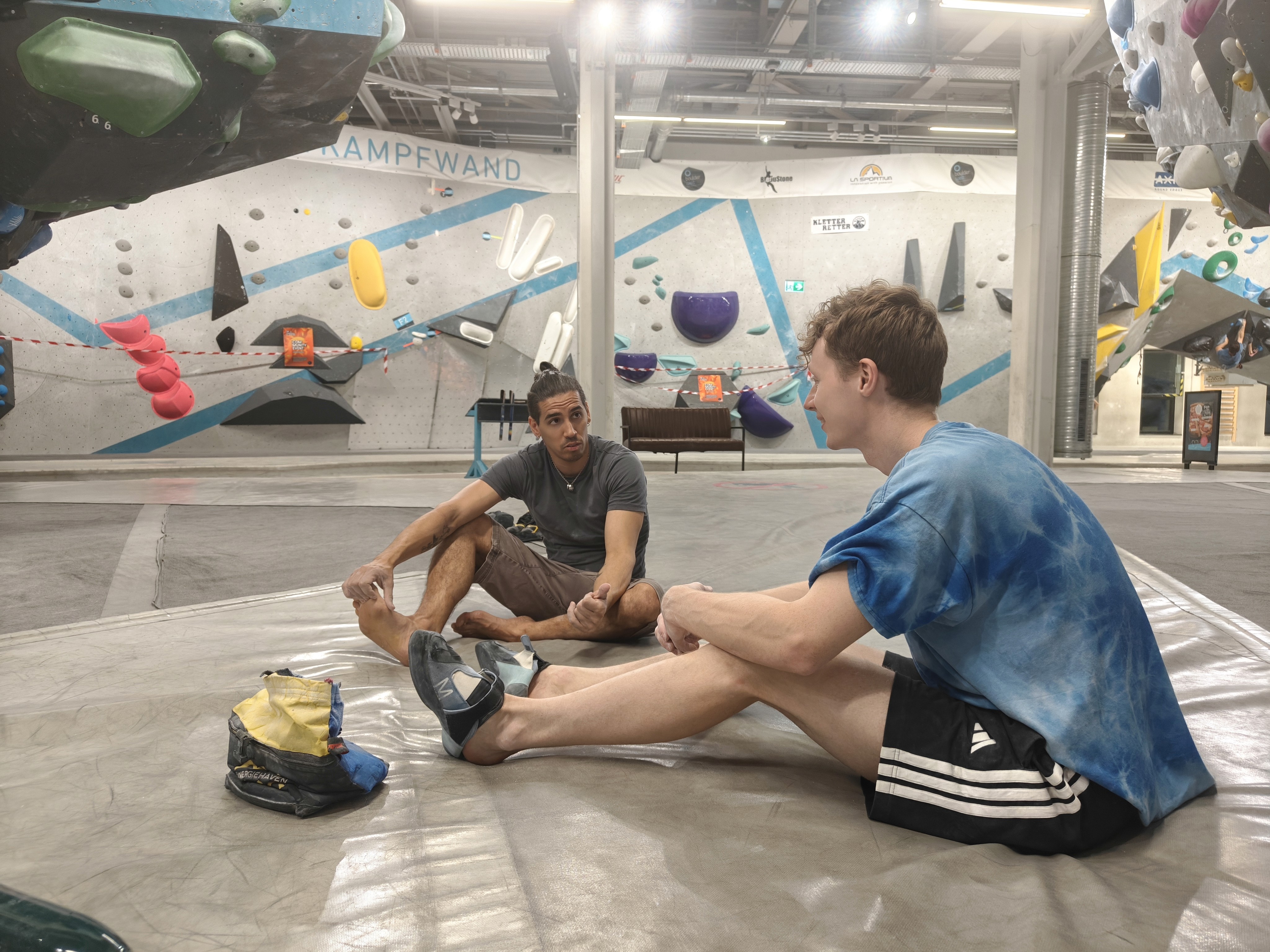
This is the first of three posts that came out of a presentation I was preparing for an institution in the sport. The meeting did not come together in the end, but the ideas did not go to waste. This one is about knowledge, transmission, and the gap between the two.
I don't know the best way into this, so let me just say the actual issue plainly: there is a lot of information circulating in this sport right now. People know the right thing to do. What they don't always know is how to transmit it.
I can only speak from my own experience, not anyone else's.
Three channels, one habit
Years ago, during a coaching course in the UK, I went looking into methodologies for teaching. One idea that came up, a bit outdated according to a friend of mine who's a neurologist, was the classic breakdown of auditory, sensory, and visual learning. I took that and built a habit around it: cycle through all three, permanently. I'm always hands-on with a kid, always pointing at what's wrong in front of them, always pulling up a video on my phone so they can see the model they're chasing.
I've worked places where none of that happens. In Germany, I watched a coach stand in the same spot for an entire session, calling out corrections from a distance getting no results, until I had to walk over to physically place a kid's shoulders and ask, "do you feel that?" That physical feedback loop, helping a kid actually feel the correct position in the middle of a skill, was far more common in the UK, and it showed.
Second point: video feedback. Everyone has a phone. Almost nobody films the kids and shows them, side by side, what they think they're doing against what they're actually doing. I've seen this gap between self-image and reality in Scotland, Germany, Switzerland, and Norway. A kid insists he's pointing his toes. The coach insists he isn't. They end up arguing, and the coach loses, because you can't win an argument against a mental image with words alone. Show the video instead but don't over do it, in other places they just depend on their phones as there is the only tool out there, balance as in everything.
The missing generation
Across the last ten countries I've worked in, there's a strange, consistent gap. Coaches are mostly over 45 or under 25. Almost nobody in between. I don't fully know why. But it means the older group often struggles to relate to what a kid is actually experiencing, while the younger group hasn't lived enough to have earned the same trust. That gap is teachable, though. Sit a twenty year old coach down and ask them to remember what ten straight minutes of handstand drilling actually felt like at that age. Would they have done it? Would they have enjoyed it? A kid will only commit to what he's actually invested in, and that has to be built, not assumed.
Trust, the long way
One of the best things that ever happened to my coaching was a thirteen year old boy in the UK who used to snap back at me whenever I got something wrong while I was still learning. He was a pain in the ass. I still love him for it, and I'm still in touch with him. Having to work through how he communicated, instead of shutting it down, taught me more than most courses did.
P. used to tell me that with five and ten year old's, you need to be a little bit of a tyrant, you tell them what to do and they do it, and only slowly release control from there. I found my own way of releasing it earlier than that, sometimes much earlier, and it's worked in every gym I've tried it in.
The part that isn't really about gymnastics
We live in a generation where everything is documented for posterity, and that's warping a lot of coaching decisions toward wanting results right now. If it looks good today, the coach looks good today. That pressure works against real long-term planning, because the truth is you don't know who's going to make it, before puberty or after.
There's a climber who took up the sport at 34 and, within six to seven years, climbed at a v16/17 level (A crazy feat to achieve). I'd love to understand exactly how. But it proves the old mysticism, that if you don't start gymnastics at five you're finished, isn't as true as it used to be but true it does help.
Building a habit takes around 28 days. Losing one takes about three. And I keep running into coaches who, whether from fear of risk or just discomfort with the unfamiliar, settle for the method they already know instead of giving a better one time to compound. That's the finance version of the same idea: what are you doing right now that pays off in ten years, not next week.
I can give a coach a tool and teach them exactly how to use it. What I can't give them is the judgement to know when the situation in front of them calls for using it differently. That's not a knowledge problem. That's something else entirely, so I will advocate for you to develop your critical thinking.
Part 2: Environment. > https://sacha.framer.website/dtrh/you-can-t-bloom-a-rose-in-the-desert
This is the first of three posts that came out of a presentation I was preparing for an institution in the sport. The meeting did not come together in the end, but the ideas did not go to waste. This one is about knowledge, transmission, and the gap between the two.
I don't know the best way into this, so let me just say the actual issue plainly: there is a lot of information circulating in this sport right now. People know the right thing to do. What they don't always know is how to transmit it.
I can only speak from my own experience, not anyone else's.
Three channels, one habit
Years ago, during a coaching course in the UK, I went looking into methodologies for teaching. One idea that came up, a bit outdated according to a friend of mine who's a neurologist, was the classic breakdown of auditory, sensory, and visual learning. I took that and built a habit around it: cycle through all three, permanently. I'm always hands-on with a kid, always pointing at what's wrong in front of them, always pulling up a video on my phone so they can see the model they're chasing.
I've worked places where none of that happens. In Germany, I watched a coach stand in the same spot for an entire session, calling out corrections from a distance getting no results, until I had to walk over to physically place a kid's shoulders and ask, "do you feel that?" That physical feedback loop, helping a kid actually feel the correct position in the middle of a skill, was far more common in the UK, and it showed.
Second point: video feedback. Everyone has a phone. Almost nobody films the kids and shows them, side by side, what they think they're doing against what they're actually doing. I've seen this gap between self-image and reality in Scotland, Germany, Switzerland, and Norway. A kid insists he's pointing his toes. The coach insists he isn't. They end up arguing, and the coach loses, because you can't win an argument against a mental image with words alone. Show the video instead but don't over do it, in other places they just depend on their phones as there is the only tool out there, balance as in everything.
The missing generation
Across the last ten countries I've worked in, there's a strange, consistent gap. Coaches are mostly over 45 or under 25. Almost nobody in between. I don't fully know why. But it means the older group often struggles to relate to what a kid is actually experiencing, while the younger group hasn't lived enough to have earned the same trust. That gap is teachable, though. Sit a twenty year old coach down and ask them to remember what ten straight minutes of handstand drilling actually felt like at that age. Would they have done it? Would they have enjoyed it? A kid will only commit to what he's actually invested in, and that has to be built, not assumed.
Trust, the long way
One of the best things that ever happened to my coaching was a thirteen year old boy in the UK who used to snap back at me whenever I got something wrong while I was still learning. He was a pain in the ass. I still love him for it, and I'm still in touch with him. Having to work through how he communicated, instead of shutting it down, taught me more than most courses did.
P. used to tell me that with five and ten year old's, you need to be a little bit of a tyrant, you tell them what to do and they do it, and only slowly release control from there. I found my own way of releasing it earlier than that, sometimes much earlier, and it's worked in every gym I've tried it in.
The part that isn't really about gymnastics
We live in a generation where everything is documented for posterity, and that's warping a lot of coaching decisions toward wanting results right now. If it looks good today, the coach looks good today. That pressure works against real long-term planning, because the truth is you don't know who's going to make it, before puberty or after.
There's a climber who took up the sport at 34 and, within six to seven years, climbed at a v16/17 level (A crazy feat to achieve). I'd love to understand exactly how. But it proves the old mysticism, that if you don't start gymnastics at five you're finished, isn't as true as it used to be but true it does help.
Building a habit takes around 28 days. Losing one takes about three. And I keep running into coaches who, whether from fear of risk or just discomfort with the unfamiliar, settle for the method they already know instead of giving a better one time to compound. That's the finance version of the same idea: what are you doing right now that pays off in ten years, not next week.
I can give a coach a tool and teach them exactly how to use it. What I can't give them is the judgement to know when the situation in front of them calls for using it differently. That's not a knowledge problem. That's something else entirely, so I will advocate for you to develop your critical thinking.
Part 2: Environment. > https://sacha.framer.website/dtrh/you-can-t-bloom-a-rose-in-the-desert
Sacha's Newsletter
Sacha's Newsletter
Sign up here for received new articles!
Sign up here for received new articles!